
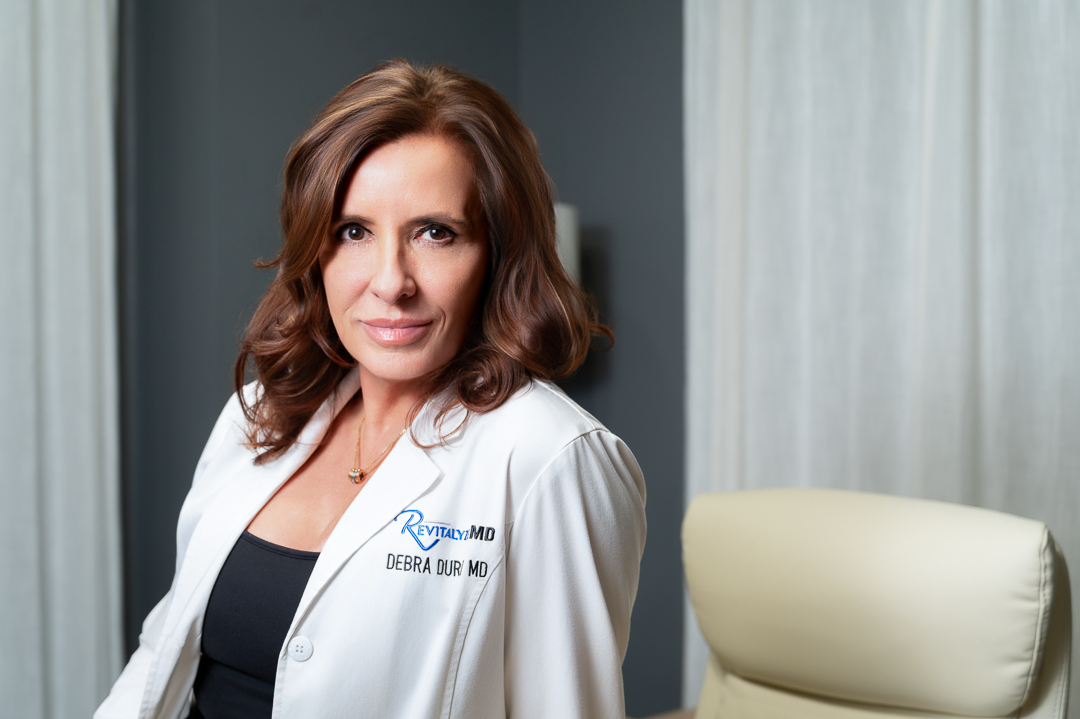
Top Aesthetic Myths That Are Secretly Aging You
What most people get wrong about Botox, fillers, skin tightening, collagen, and “anti-aging” and what actually works.
Created by medical experts to help you make smarter, safer, and more effective aesthetic decisions.
👉 Get the Free Guide


What You’ll Learn:
✔ The biggest myth about Botox starting age
✔ The truth about fillers looking “fake”
✔ Why collagen creams rarely move the needle
✔ The dangerous misunderstanding about “non-invasive”
✔ What actually slows visible aging
FAQs
Answers to Your Key Questions About Our Aesthetic Services
How do I know which aesthetic treatment is right for me?
The best treatment depends on your goals, anatomy, skin quality, and lifestyle. During your consultation, we evaluate facial balance, skin health, and aging patterns to create a customized plan — not a one-size-fits-all approach.
What’s the difference between Botox and dermal filler?
Botox (neuromodulators) relax muscles that cause wrinkles from movement (like frown lines and crow’s feet). Dermal fillers restore volume, enhance contours, and smooth deeper lines caused by volume loss.
Will I look frozen or overdone?
When performed properly, aesthetic treatments should enhance — not change — your appearance. Our goal is refreshed, natural results that still look like you.
How long do results last?
It depends on the treatment:
Botox: typically 3–4 months
Dermal filler: 6–18 months, depending on area and product
Biostimulators: can last 1–2 years
Skin treatments: vary based on regimen and maintenance
Is there downtime?
Most injectable treatments have minimal downtime. You may experience mild swelling, redness, or bruising for a few days. Laser and advanced skin treatments may require short recovery periods.
Are aesthetic treatments safe?
When performed by trained medical professionals using FDA-approved products, aesthetic treatments are very safe. Proper technique, anatomy knowledge, and patient screening are critical.