
Your Hair Is Telling You Something. Learn What It Means.
Dr. Debra Durst, MD, regenerative medicine physician and founder of RevitalyzeMD, has guided thousands of men and women through hormone optimization and regenerative care. In this free guide, she shares the medical framework she uses to evaluate hair loss—what’s normal, what’s not, and what’s truly treatable.
Take the Guesswork Out of Hair Loss
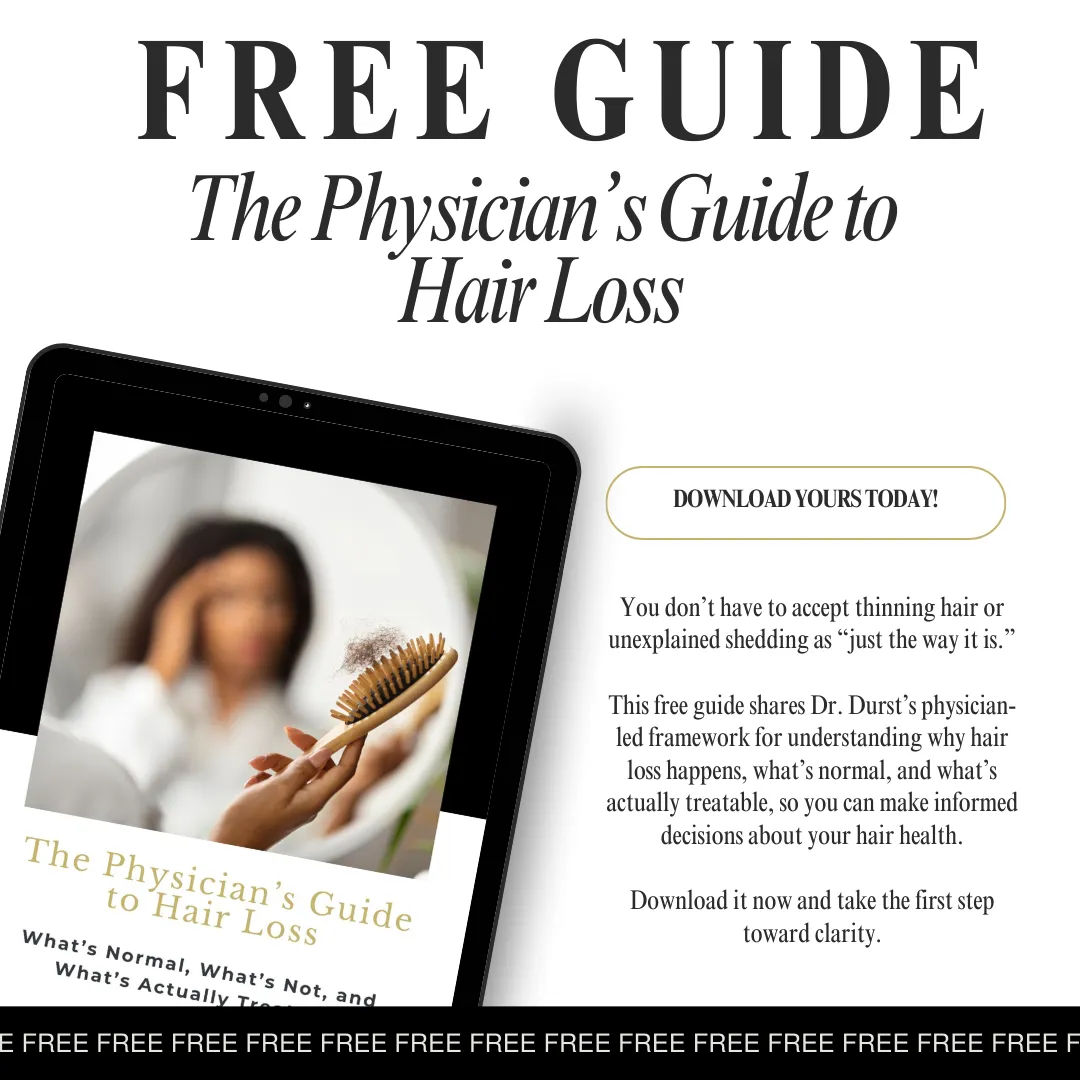

What You’ll Learn Inside the 'The Physician’s Guide to Hair Loss'
- What’s considered normal shedding
- The five most common medical causes of hair thinning and shedding in men and women
- How hormones, stress, inflammation, and scalp health affect hair growth
- Early warning signs most people overlook
- Why supplements, shampoos, and topical products often fail
- Which types of hair loss are treatable
- How a physician-led approach improves outcomes through early intervention

Why It Matters to You
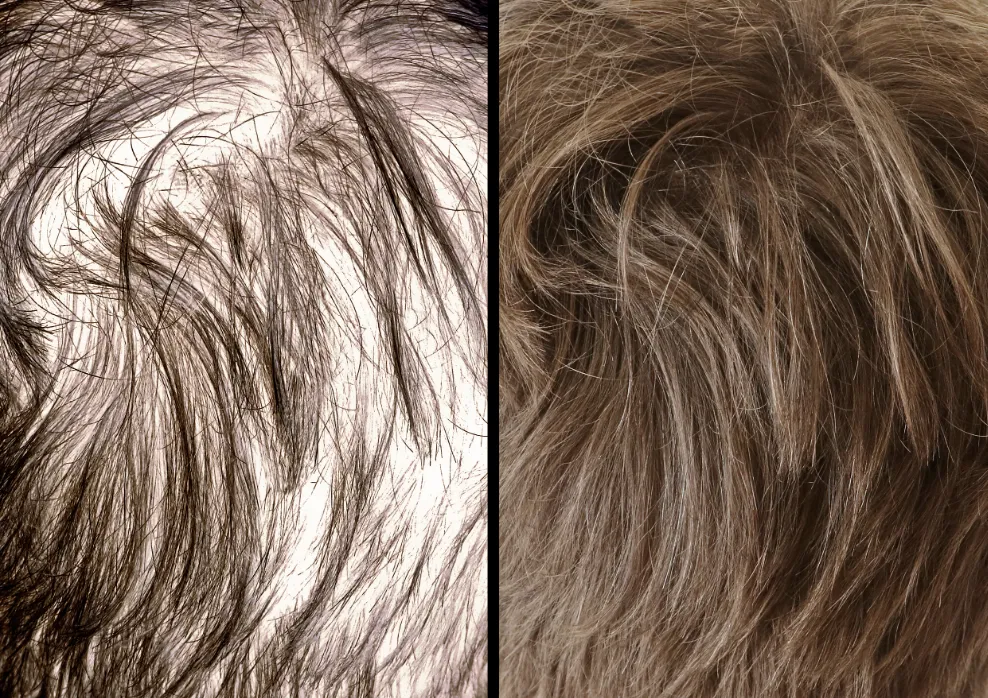
For many people, hair loss is an early sign of hormonal imbalance, chronic stress, inflammation, or nutrient deficiency—long before other symptoms appear. Ignoring it or relying on guesswork can allow follicle damage to progress.
This guide helps you:
- Replace confusion with medical clarity
- Understand when hair loss may be reversible
- Avoid wasting time and money on ineffective solutions
- Know when it’s worth pursuing a deeper evaluation
The earlier you understand what’s happening, the more options you have.
FAQs
Answers to Your Key Questions About Our Hair Restoration Services
How do I know if my hair loss is normal or something I should worry about?
Daily shedding can be normal. What’s concerning is progressive thinning, widening parts, reduced ponytail volume, or visible scalp especially if regrowth doesn’t keep up. This guide helps you identify early signs most people miss so you can act before hair loss becomes harder to reverse.
If my hair loss is genetic, is there anything that actually works?
Yes. Genetics influence risk, not outcome. Many forms of genetic hair loss respond best to early, targeted treatment, especially when hormone balance, scalp health, and inflammation are addressed. Doing nothing is often the least effective option.
Can hormones really affect hair loss in women and men?
Absolutely. Perimenopause, menopause, thyroid imbalance, low or fluctuating testosterone, and chronic stress hormones all play a major role in hair cycling. Hair follicles are hormone-sensitive, which is why lab evaluation often changes treatment success.
Why haven’t supplements or over-the-counter products helped my hair loss?
Most supplements are generic, underdosed, or not matched to the root cause of your hair loss. In some cases, excess supplementation can worsen shedding. Hair loss often requires medical evaluation, not more products.
Is hair loss treatment just cosmetic or is it medical?
Many types of hair loss are medical and metabolic, not cosmetic. Scalp health, circulation, hormones, inflammation, and nutrient deficiencies all affect follicle function. Treating hair loss effectively often means addressing what’s happening internally—not just on the surface.
What happens after I download the guide and take the self-assessment?
You’ll gain clarity about what type of hair loss you may be experiencing and what’s actually treatable. If your results suggest a medical or hormonal component, you’ll have the option to schedule a Hair Restoration Evaluation with the RevitalyzeMD team for personalized guidance.